Three red, three green: what flags to look out for in an interior designer.
Choosing an interior designer is about far more than choosing someone whose work you like on Instagram.
You’re choosing someone who will help shape the way your home feels, functions and supports your everyday life. Someone you’ll likely spend countless hours with over the course of a renovation or build, discussing budgets, routines, family dynamics, priorities, and deeply personal decisions.
At The Yarrows, we believe good design starts with good relationships. So if you’re looking for the right interior designer, here are our three green flags and three red flags worth paying attention to early on.
✅ Three Green Flags
1. They genuinely want to get to know you
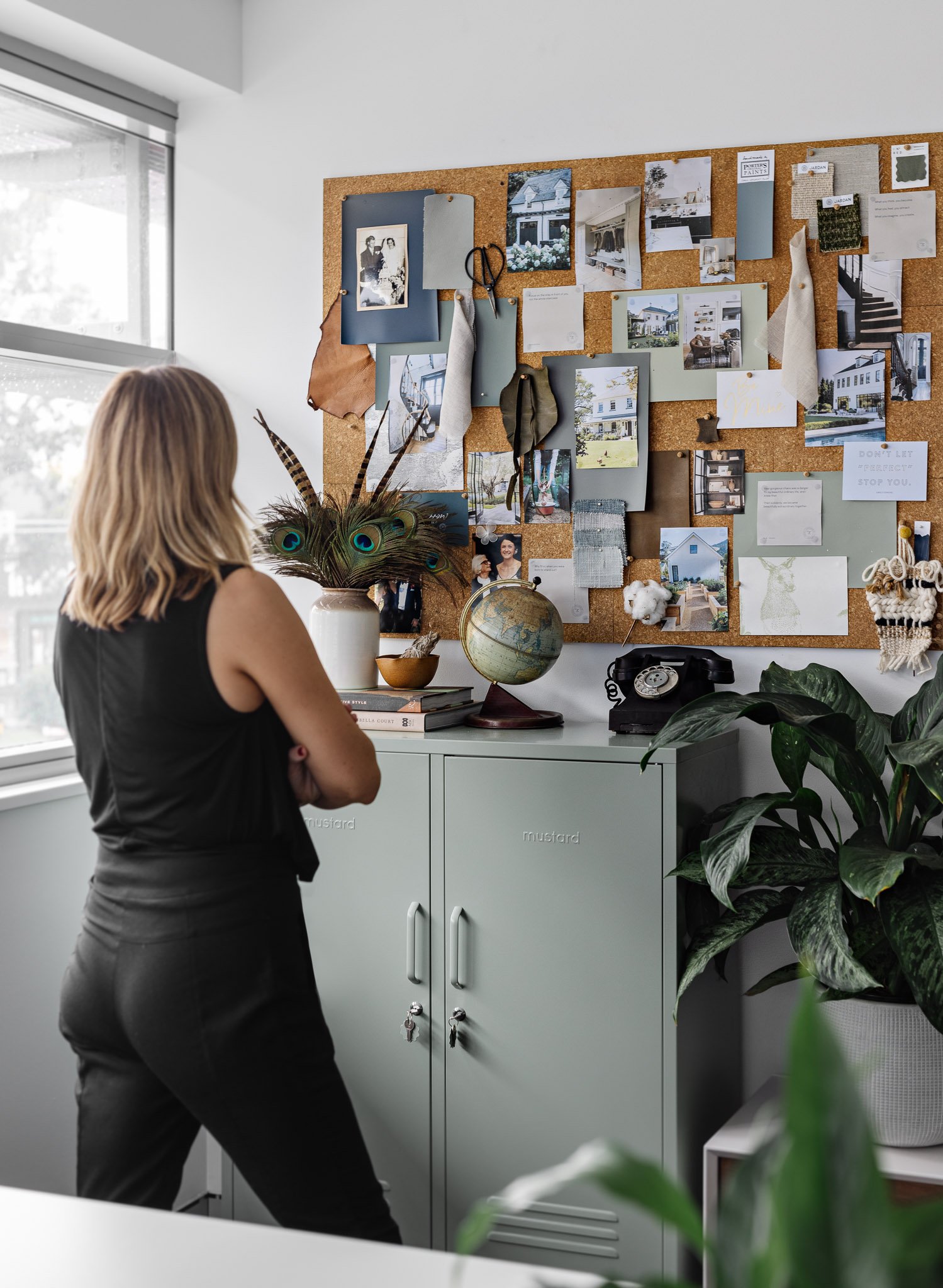
A good interior designer won’t jump straight into selecting finishes or discussing aesthetics. First, they’ll want to understand you.
Your family.
Your routines.
Your personalities.
How you make decisions.
How you prefer to communicate.
Do you like face-to-face meetings or detailed emails? Do you prefer lots of options or clear direction? Are you decisive, or do you need time to process information?
These things matter.
Designing a home is an incredibly collaborative process, and the best outcomes happen when your designer tailors the experience to suit how you live and work as people, not just what style you like.
We think a well-designed home should reflect the people living inside it, not the personality of the designer.
2. You share the same values
One of the most underrated parts of choosing a designer is the simple question:
“Do we actually feel aligned?”
Because the reality is, you may be working very closely with this person for the next two years or more. They’ll likely know intimate details about your family life, finances, routines and future plans.
That requires trust.
A green flag is when conversations feel easy and natural. You leave meetings with a sense of clarity and calm. You feel heard. You trust their guidance, and they respect your priorities.
Trust your gut here. It’s usually right.
3. Everything is clearly explained before design work begins
A professional interior designer should provide clarity before any design work starts.
You should fully understand:
What you’re receiving
What it will cost
When things will be delivered
How payments work
What’s included and what’s not
How communication is handled and when meetings will happen
What level of documentation your builder or architect will receive
And if the designer charges hourly, you should understand what outcomes or deliverables you can reasonably expect from that time investment. Many people like the idea of paying for a service on a per hourly basis because it makes them feel ‘in control’ of the expenditure, however, it can be fraught with danger and pitfalls too. For example, can the designer assure that after xyz number of hours, you will have the required design documentation and specifications required for the builder to accurately project costs? If not, that’s potentially a waste of money and may end up costing more - perhaps in that case a fixed fee with clear scope of work is a better option.
Transparency matters.
Good design isn’t just about creativity. It’s about process, communication and setting realistic expectations from the beginning.
One of the biggest stress points for homeowners is juggling multiple consultants and trying to connect the dots themselves or having multiple consultants reporting back directly to them, such as designer, builder, architect/s, engineers, landscape designer etc, which can feel overwhelming and stressful.
That’s why we’ve chosen to take a one team, end-to-end approach, from initial ideas through to design, build and beyond. We handle everything for our clients to remove that stress and be their guiding partner, their ‘port in the storm’. We’ve got you.
It removes the guesswork and ensures every detail, seen and unseen, is considered and aligned.
We believe clarity creates confidence. When everyone understands the process upfront, projects run smoother, decisions feel easier and the experience becomes far more enjoyable for everyone involved.
Our projects run on fixed fees for interior design and ‘cost plus’ for the build stage. Very transparent.
🚩 Three Red Flags
1. It’s all about the look, not how you live
If the conversation is dominated by finishes, trends, and “what’s in right now,” take a step back.
A ‘beautiful home’ is important, of course, whatever your version of that is. But if your designer isn’t asking how you live, how your family uses spaces day and night, or what makes you feel at ease, something is missing.
Homes shouldn’t be designed for photos. They should be designed for real living.
We believe a home should feel like a “warm hug,” not just something that looks good on handover day.
And while trends have their place, homes designed purely around trends often date quickly and lose their sense of authenticity in the process. In our opinion, the best homes feel timeless, personal and deeply connected to the people living there.
2. You feel rushed or unheard
Design is not a one-size-fits-all process.
If you feel like decisions are being made for you rather than with you, or you’re being pushed toward a certain aesthetic, that’s a red flag.
The best outcomes come from understanding you, your routines, your priorities and your version of comfort.
Getting to know our clients isn’t a “nice to have.” It’s core to how we work. It’s how truly personal homes are created.
Adding to this red flag, is when there’s no honest conversation around budget or timeframe expectations from the very beginning. We personally discuss this upfront on the initial phone call before any consultation is booked and if it’s not a right fit or alignment with those two key components, then we don’t take it further. It’s no use wasting each other’s time if we’re not aligned or can’t deliver on budget or timeframe. That’s not being dismissive, it’s being honest and transparent. That’s the way we do business.
While a designer doesn’t need every detail immediately, they should be asking thoughtful questions around investment expectations, priorities and realistic timelines early on. Without those conversations, it becomes difficult to guide decisions responsibly or create a design that genuinely aligns with your goals.
3. There’s no clarity around process or collaboration
Interior design doesn’t happen in isolation.
Your designer should clearly explain how their work integrates with your architect, builder, landscape architect or other consultants involved in the project.
Will the documentation they provide give your builder enough information to accurately price and deliver the design?
Will there be material schedules, specifications, and detailed drawings? At what point in the process will these be available?
Who is responsible for what? What is required from me as the client in the in process?
These questions matter enormously.
One of the biggest frustrations we see in the industry is when beautiful concepts can’t be properly executed because there wasn’t enough coordination or documentation behind the scenes.
A well-considered design process should support the entire team, not create confusion for them.
If expectations, deliverables, scope or communication processes feel vague from the beginning, it’s worth paying attention to. Clarity and collaboration are what turn good ideas into homes that truly work in real life.
The bottom line
Choosing an interior designer is ultimately about choosing a relationship.
The right person won’t just help create a beautiful home. They’ll help make the process feel calm, collaborative and deeply considered from beginning to end.
They’ll ask thoughtful questions.
Communicate clearly.
Respect your budget.
Work well with your wider team.
And create spaces that genuinely reflect you. Not the designer.
Because the best homes aren’t designed around trends.
They’re designed around people and the emotions they’ll feel within those designed spaces.