“Houses Need to Breathe” - The Myth Behind Mould in Modern Australian Homes
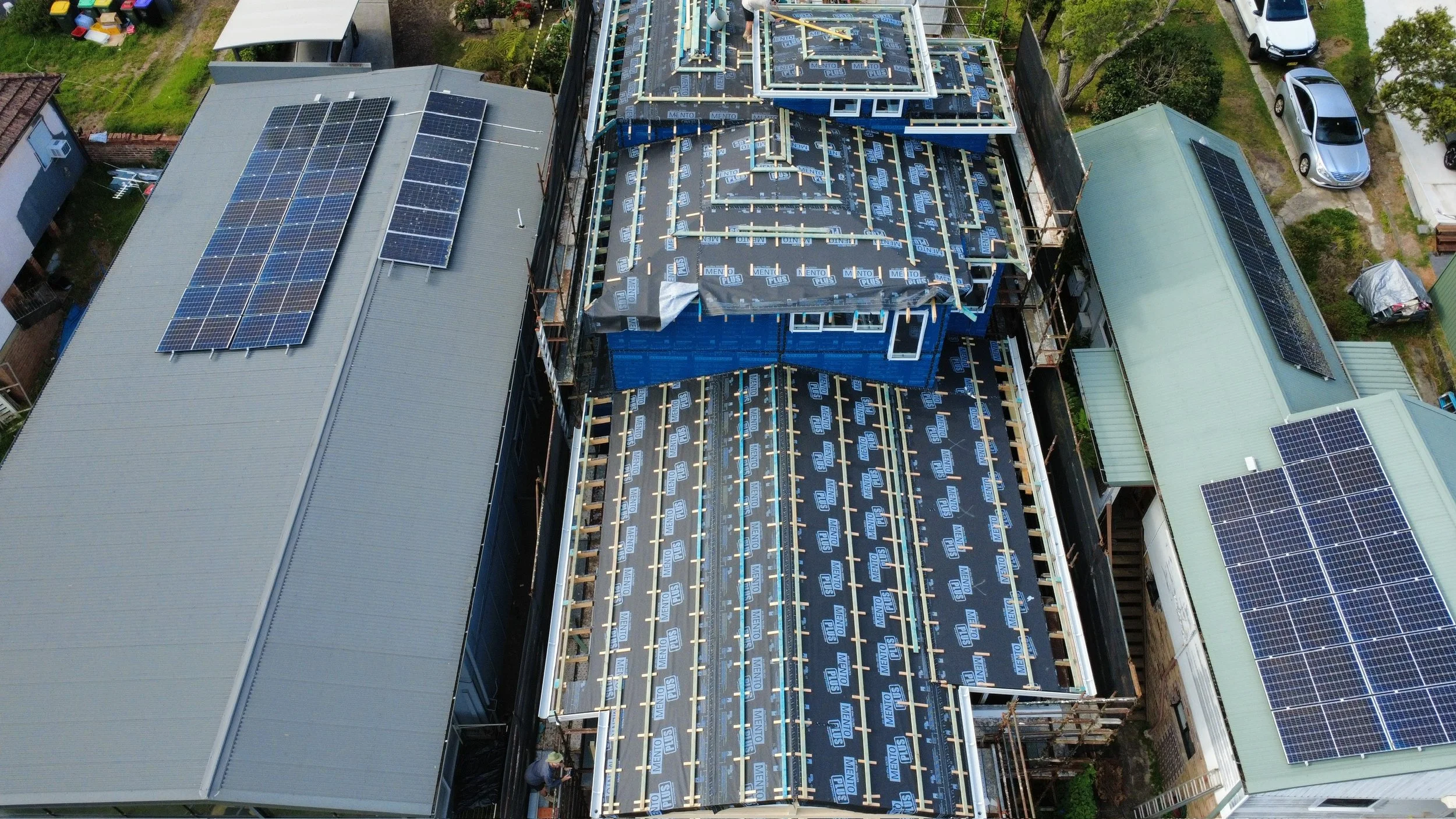
You’d think mould only shows up in old, damp houses with leaky roofs and cracked tiles, right? Wrong.
Recent studies show that up to half of Australian homes have some level of mould or dampness - and worryingly, many of them are brand new.
New Homes, Old Problems
When we hand over a brand-new home, it looks perfect; crisp plasterboard, fresh paint, shiny fittings. But what’s going on behind the walls tells a different story.
Modern homes are sealed up tighter than ever for energy efficiency, but not always in the right way. When moisture gets trapped inside the building envelope and can’t escape, it condenses. And that’s when mould starts to grow.
CSIRO research found that between 10% and 50% of Australian homes show signs of mould or dampness. Asthma Australia’s national survey backs it up - one in three households reported visible mould in just the last year.
That doesn’t always mean your home is “sick,” but it does show that something’s seriously off with how we’re managing air, moisture and temperature.
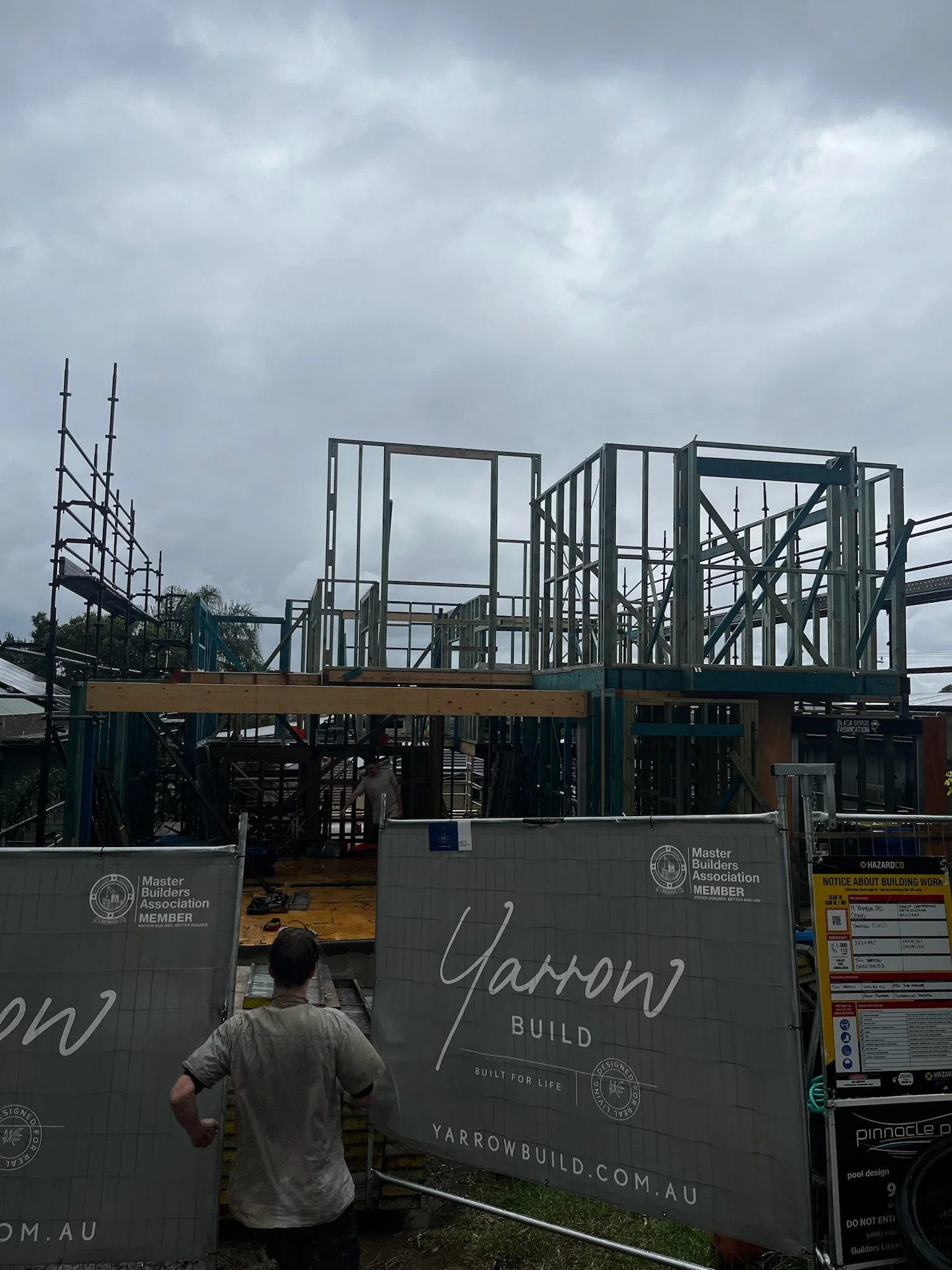
Where the Myth Started: “Houses Need to Breathe”
That old saying might’ve worked back when homes were basically glorified tents - full of gaps, draughts, and “natural ventilation.”
But in modern construction, that thinking does more harm than good.
A house shouldn’t “breathe” through random cracks in walls or ceilings. That just lets humid air leak in and out uncontrollably, bringing moisture, dust and allergens with it.
The result? Condensation, mould, and poor indoor air quality.
Instead, a healthy, durable home should be:
* Airtight: so you control where air moves.
* Well-ventilated: with systems like HRVs or ERVs that bring in fresh, filtered air.
* Moisture-managed: using smart, vapour-permeable membranes that allow walls to dry out, not breathe.
The Science Bit: Dew Point and Condensation
Here’s the simple version: when warm, moist air meets a cold surface, it reaches the dew point — the temperature where water vapour turns into liquid.
If that happens inside your walls, the moisture can’t escape. Over time, that hidden condensation feeds mould, rot and even structural damage. You won’t see it, until it’s too late.
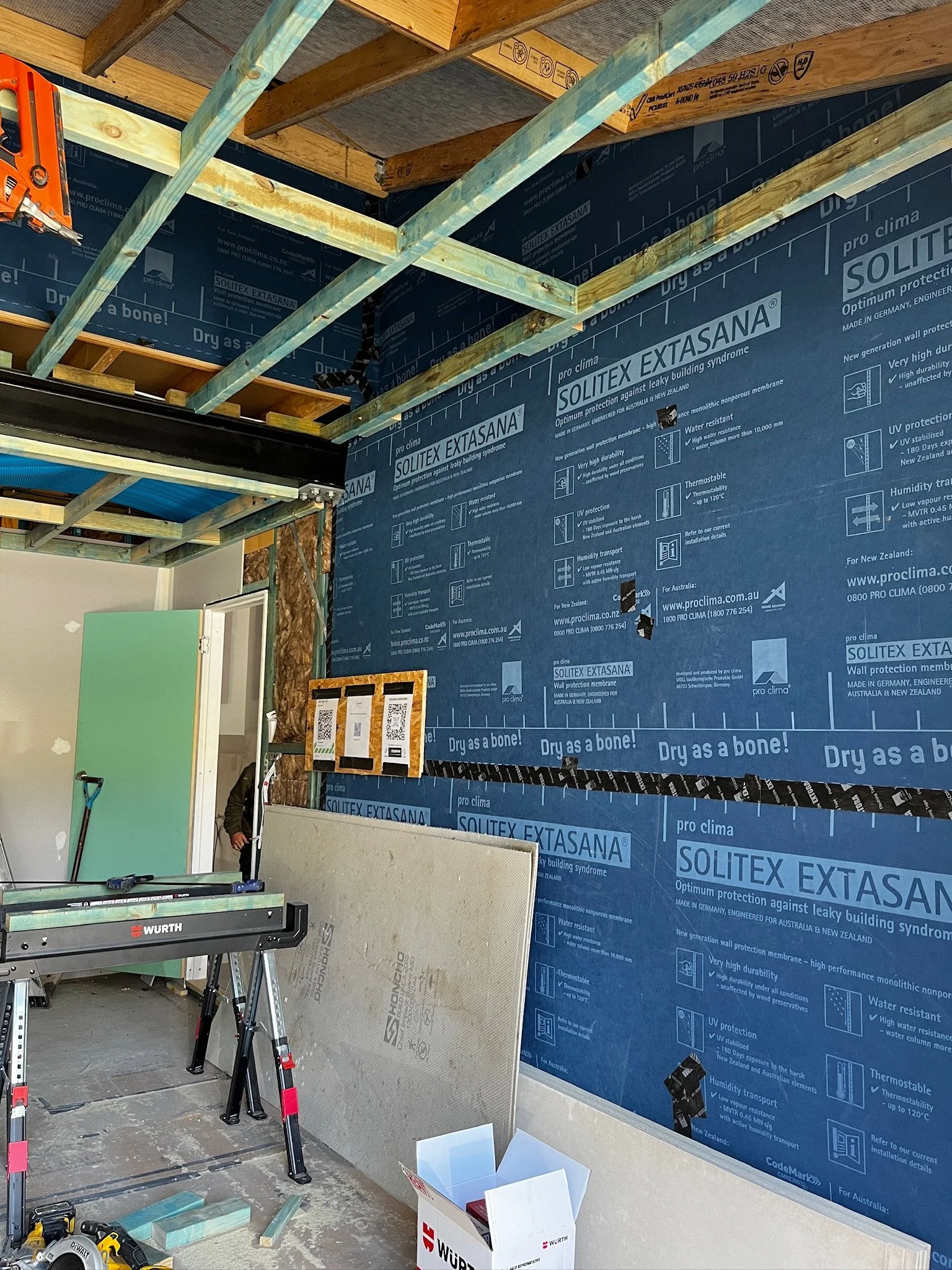
That’s why we use Pro Clima wraps and tapes - high-performance membranes that keep air and moisture where they belong. They make a home airtight, but still vapour-open, so it can dry safely. There’s a big difference between a wall that breathes air and one that breathes moisture.
Why New Builds Are So Often Affected
You’d expect new homes to be better, but they’re often worse.
That’s because the National Construction Code in Australia (NCC) doesn’t yet require airtightness testing or proper moisture management by design. Crazy.
The average new Australian home leaks around 15 air changes per hour (ACH50), meaning the entire volume of air escapes 15 times an hour under ‘blower-door’ testing. Compare that to Europe’s high-performance standards of 0.6 ACH50, and it’s easy to see why we’re struggling with comfort, efficiency and mould.
Every uncontrolled air leak is a pathway for moisture and every moisture pathway is a potential mould problem.
The Human Cost
Mould isn’t just ugly. It’s unhealthy. It releases spores and toxins that can trigger asthma, allergies, fatigue and long-term respiratory issues.
Indoor air can actually be more polluted than outdoor air if moisture is trapped in your walls and circulating through your ventilation or heating systems.
And because these problems often start hidden, homeowners might not even know why they’re feeling unwell.
How to Stop It: Build Tight, Ventilate Right
The good news? Mould is completely preventable, if you build with science, not old sayings.
At The Yarrows, we design homes to be comfortable, durable and genuinely healthy.
Here’s how:
* Airtight construction: verified with blower-door testing.
* Smart materials: like Pro Clima wraps, which manage vapour intelligently.
* Proper ventilation: to bring in clean, filtered air and remove moisture safely.
* Focus behind the walls: because true comfort starts with what you don’t see.
It’s easy to obsess over tapware and stone benchtops, but the real “luxury” is a home that feels stable, fresh and safe year-round.
In Short
If your house “needs to breathe,” you’re living in a tent, not a high-performance “luxury” home. A healthy home doesn’t leak air; it controls it. It’s airtight, insulated and ventilated on purpose, not by accident.
Because when it comes to mould, prevention isn’t just possible. It’s essential for your comfort, your health and your future.
Your home doesn’t need to breathe.
It needs to perform.
Tim Yarrow - Certified Passive Haus Tradesman.