
Floorboards: Hardwood vs Engineered - which is best?
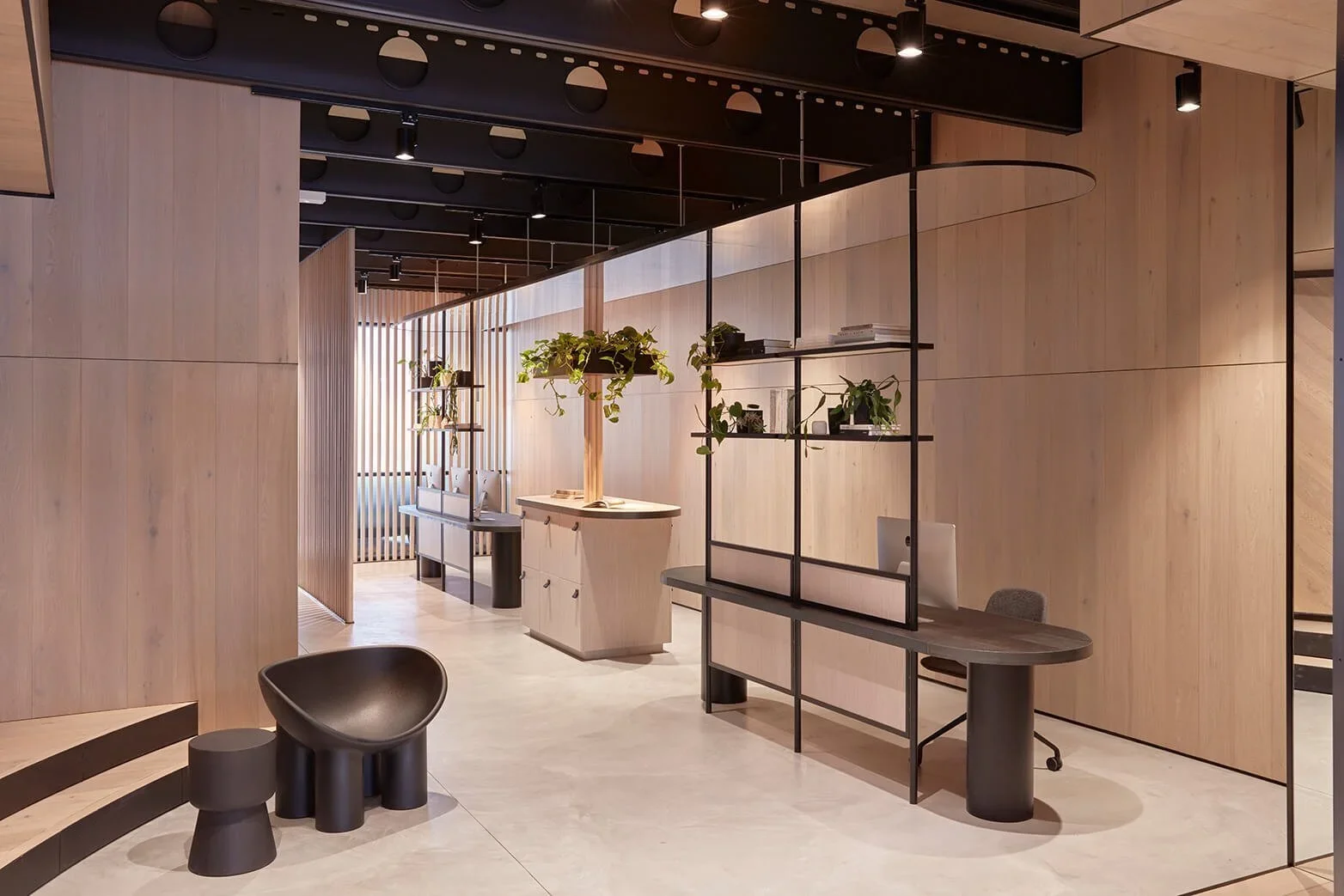
"Hardwood or engineered floorboards, which one do I choose?" This question is a common one amongst clients and the truth is, there is no "right" answer — it's more a matter of weighing the pros and cons for your personal situation. Flooring is such a key decision when renovating or designing a new home so I can't stress enough the importance of spending the time to make sure you end up with a result you'll love.
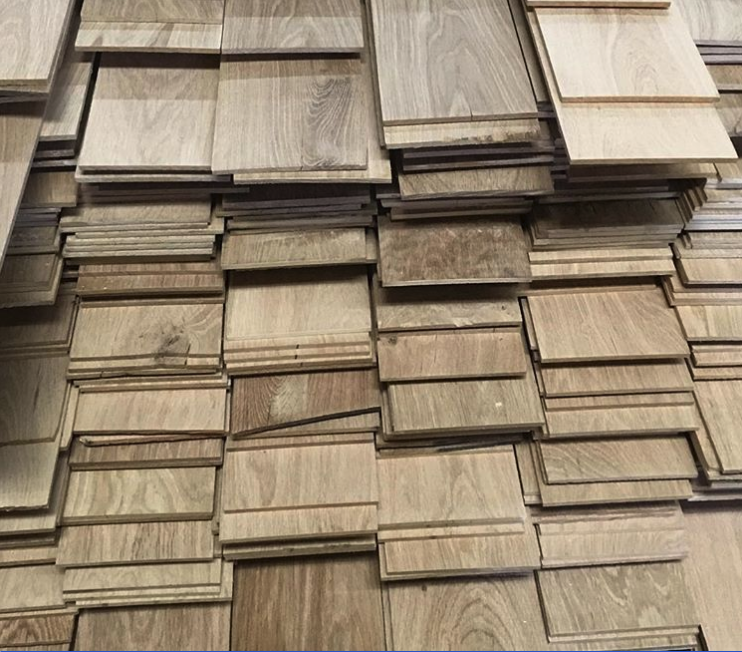
Differences:
Hardwood — as the name suggests, these boards are made of solid hardwood timber species and therefore, extremely durable and hardwearing. Being a solid board, they can be sanded back and refinished several times over their lifespan making their longevity a sustainable benefit for many homeowners.
Engineered — while engineered boards can look similar to hardwood flooring at first glance, the difference is in their construction. These boards are made up of a thin layer (approx 3–4mm) of hardwood bonded to a substrate of plywood, as opposed to a single solid piece of wood.
Durability & Sustainability: Hardwood boards are extremely durable and hardwearing. Being a solid board, they can be sanded back and refinished several times over their lifespan. Engineered boards are also strong due to their cross-hatched substrate design — some manufacturers say they can be sanded back once, or twice at best, in their lifetime. Because engineered boards have a lot of texture and character, they often show less scratches than hardwood.
Installation: Hardwood floors are finished on site and will take a number of days to install, stain and protect. Engineered floor installation can happen much more quickly because they are typically pre-finished. Engineered floors have multiple installation options including nailing, gluing or floating, which makes it easier to install in certain applications.
Feeling underfoot: Hardwood floorboards are nailed to the subfloor to ensure a solid feeling underfoot. Engineered boards can be glued to the subfloor for a similar sturdy effect, or simply 'clicked' into each other creating a floating floor — though this can often result in a 'springy' or 'spongy' feeling underfoot.
Colours: The majority of hardwood flooring in Australia comes from Australian grown species such as Tasmanian Oak, Blackbutt and Spotted Gum. All can be sanded and stained a myriad of different colours. A popular choice right now is Blackbutt stained with 25% Black Japan, giving a lovely warm brown result without any red undertones. Engineered boards offer endless options — hand-scraped, smoked finish, wax finish, limewash, whitewash — which is part of the appeal for many homeowners.
Maintenance: Both hardwood and engineered timber boards are relatively easy to maintain with vacuuming and a dry mop with specific timber floorboard cleaner such as Bona. Wet mopping and leaving water to soak into timber will inevitably cause expansion and warping.
Cost: Depending on the level of engineered board you are quoted, they can sometimes be slightly cheaper, however, there usually isn't a huge cost difference between the two options once installation has been factored in.
Speak to your interior designer and builder to talk through which option is best for your specific home based on the existing structure, your overall style and design, architecture, lifestyle, long-term plans and importantly, your personal preference!